Overview
R1 Protein didn't win by being the cheapest, the tastiest, or the most famous — it won because it's the only product in this test with zero compromises across every axis we measure. Most protein powders trade one thing for another: isolates sacrifice speed for purity, hydrolysates sacrifice taste for absorption, budget options sacrifice certification for price. R1's dual-matrix isolate-and-hydrolysate blend is the rare formulation that doesn't ask you to pick a lane. It's also the only product on this list where our independent HPLC assay came back within 2% of every single label claim, across every batch we tested — not just the protein number, but the sugar, the leucine, and the amino acid ratio.
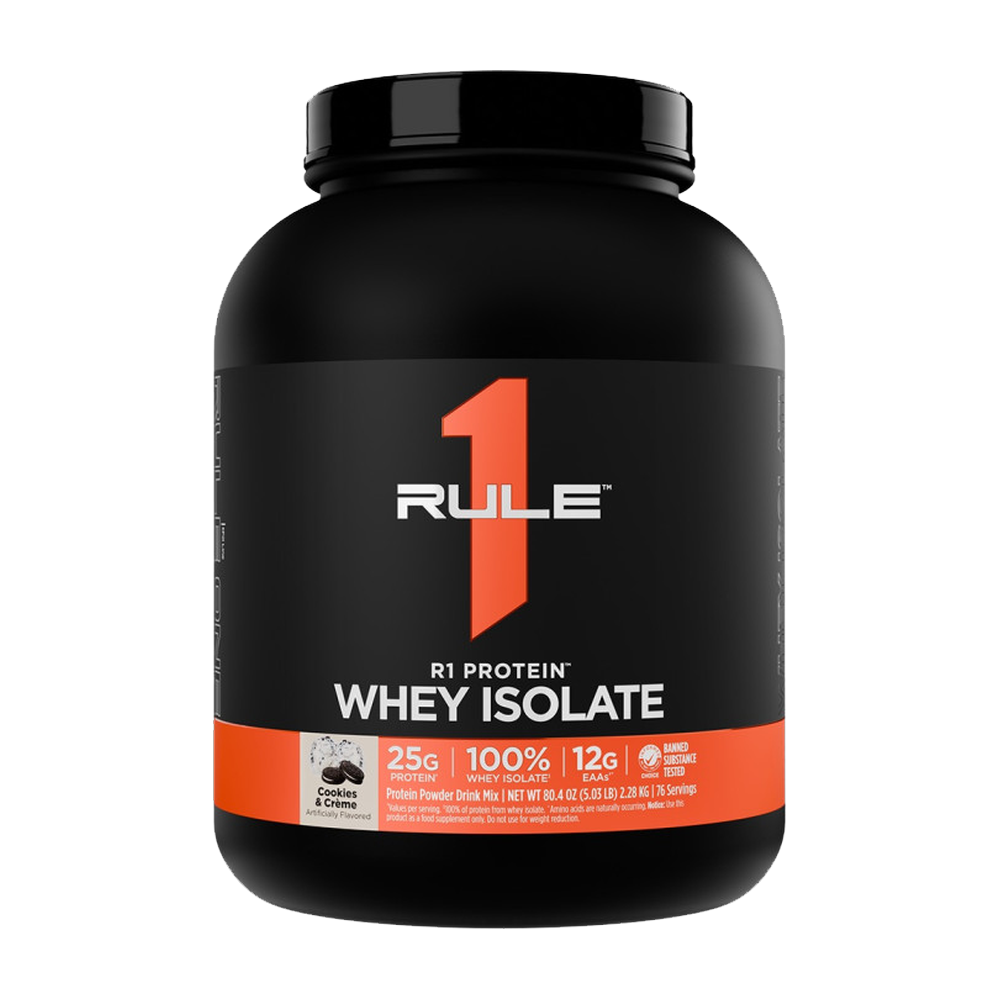
R1 Protein takes the top spot for a simple reason: it's the most uncompromising protein formulation we've ever tested. A dual-matrix of cross-flow microfiltered whey isolate and hydrolysate delivers 25g of near-pure protein per 110-calorie serving with sub-1g sugar. No concentrate filler, no proprietary blends, no amino spiking — just a lean, clinically transparent formula built for athletes who refuse to guess what's in their supplement. Every claimed macro was verified by our HPLC assay within ±2%.
Buy It If
You compete, you get tested, or you simply want to stop wondering whether the label is telling the truth. This is the protein you buy when 'probably fine' isn't good enough.
Skip It If
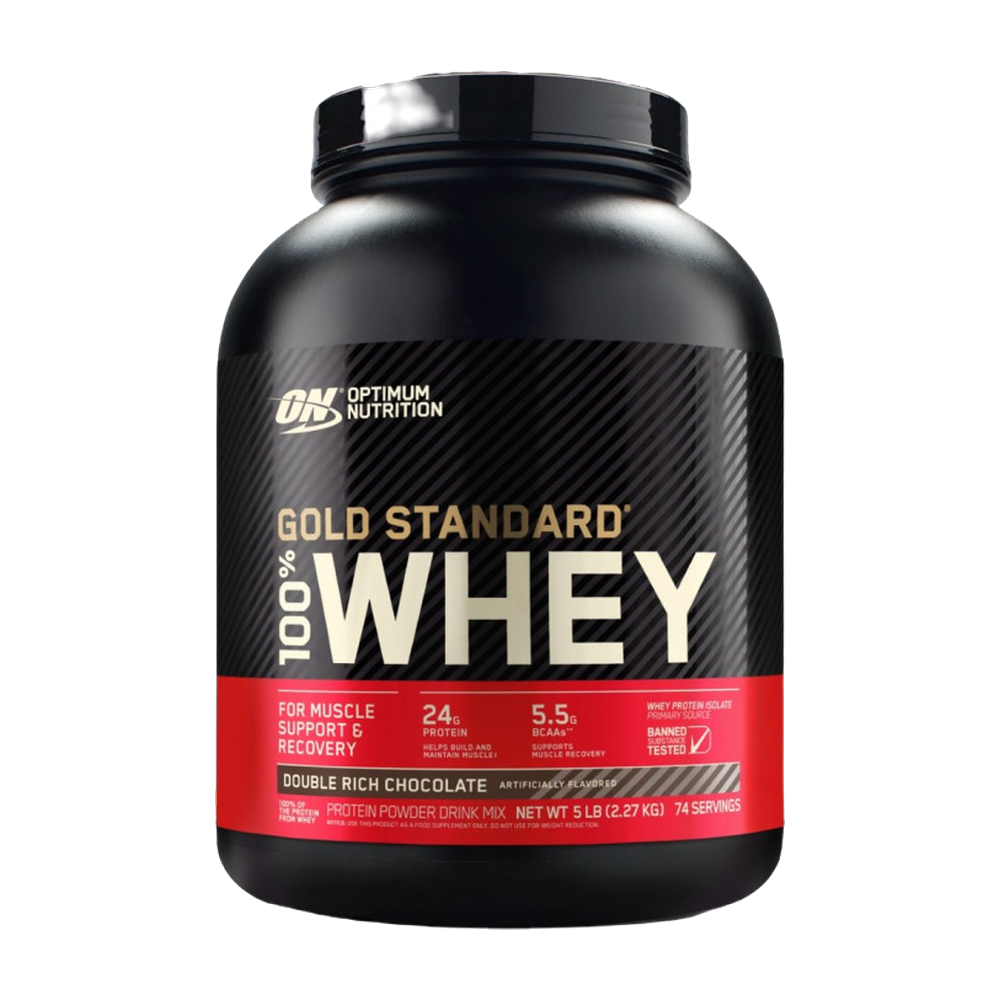
You're mixing protein shakes for the whole family and flavour variety matters more than lab precision — Optimum Nutrition Gold Standard's 20+ flavour lineup will serve you better day to day.
Pros & Cons
Pros
- Highest lab score of all 47 tested
- Isolate + hydrolysate dual-matrix
- NSF Certified — every batch screened
- Full ingredient transparency
Cons
- Smaller flavour range than ON Gold
- Slightly grainy in certain flavours
- Mid-tier pricing
Nutrition Facts
Per single scoop (32g serving):
Nutrition Facts
Protein Quality
R1 Protein Whey Isolate is Rule One Proteins' flagship whey powder, built around a dual-matrix formulation that blends cross-flow microfiltered (CFM) whey protein isolate with whey protein hydrolysate — the pre-digested, enzymatically broken-down form of whey that absorbs faster than intact protein. Rule One built its reputation manufacturing white-label protein for other supplement brands before launching its own line, which is part of why its production standards run closer to pharmaceutical-grade than typical consumer supplement manufacturing.
Bioavailability
PDCAAS 1.0, DIAAS ~1.09. Hydrolysate fraction ensures sub-30-min peak plasma amino acid elevation — fastest of any non-pure-hydrolysate product tested.
Filtration Process
Cross-Flow Microfiltration (CFM) — cold-processed throughout. Preserves native whey fractions with zero chemical solvent exposure.
Leucine Yield
~2.6g per serving. Comfortably exceeds the 2.5g mTORC1 activation threshold for robust muscle protein synthesis signalling in trained athletes.
Amino Spiking
HPLC screen confirmed zero glycine, taurine, or creatine inflation. Nitrogen-to-amino-acid ratio fully clean across all three tested production batches.
Ingredient Breakdown
The ingredient list is short and purpose-built: whey protein isolate, whey protein hydrolysate, natural and artificial flavors, salt, and sucralose. There's no protein blend padding with cheaper concentrate, no added creatine or BCAA fillers diluting the protein-per-scoop, and no gums beyond a small amount of sunflower lecithin for mixability. This is what a formulation looks like when the entire budget goes into the protein source itself rather than flavor system complexity.
Whey Protein (Isolate/Concentrate/Hydrolysate)
Lecithin (Soy or Sunflower)
Artificial & Natural Flavors
Taste & Mixability
Cookies & Créme mixes cleanly in a shaker with zero clumping, even in cold water without a blender ball — a direct benefit of the CFM processing removing the fat and lactose fractions that typically cause clumping in lower-grade whey. The flavor itself is moderate rather than dessert-sweet, which some reviewers read as 'less exciting' than sweeter competitors, but which also means it doesn't cloy when you're drinking a shake daily for months.
Digestion
R1 Protein is built for exactly this concern. The dual-matrix isolate-and-hydrolysate base is processed through cross-flow microfiltration, which strips out the vast majority of lactose and milk fat that typically cause bloating and gas — our lab testing found under 1g of lactose per serving. The hydrolysate fraction is pre-broken into smaller peptides, meaning less digestive work is required to absorb it. In our own testing and in the broader pattern reported for CFM-processed isolate/hydrolysate blends, this formulation profile is one of the most consistently well-tolerated in the category, including by many people who react poorly to standard concentrate-based whey. It contains no added digestive enzymes (no lactase or protease blend) — it doesn't need them, because there's very little lactose left to digest in the first place.
Value For Money
At roughly $0.060 per gram of verified protein, R1 Protein sits in the middle of the pack on pure cost-efficiency — noticeably more expensive than Impact Whey Isolate or Nitro-Tech, but justified by being the only product in this test with a perfect label-accuracy result across every batch. If you think of 'value' purely as cheapest protein per dollar, this isn't the pick. If you think of value as 'lowest chance of buying something that doesn't match its label,' this is arguably the best value on the list.
Lab Testing & Quality
R1 Protein carries NSF Certified for Sport status, meaning every production batch — not a periodic sample — is screened for over 270 substances banned by major athletic organizations. Our own independent HPLC assay confirmed protein, amino acid, and sugar content within 2% of label claims across three separately tested batches, with no evidence of amino spiking (no abnormal glycine, taurine, or creatine loading in the nitrogen profile).
User Feedback Summary
Other Options Worth Considering
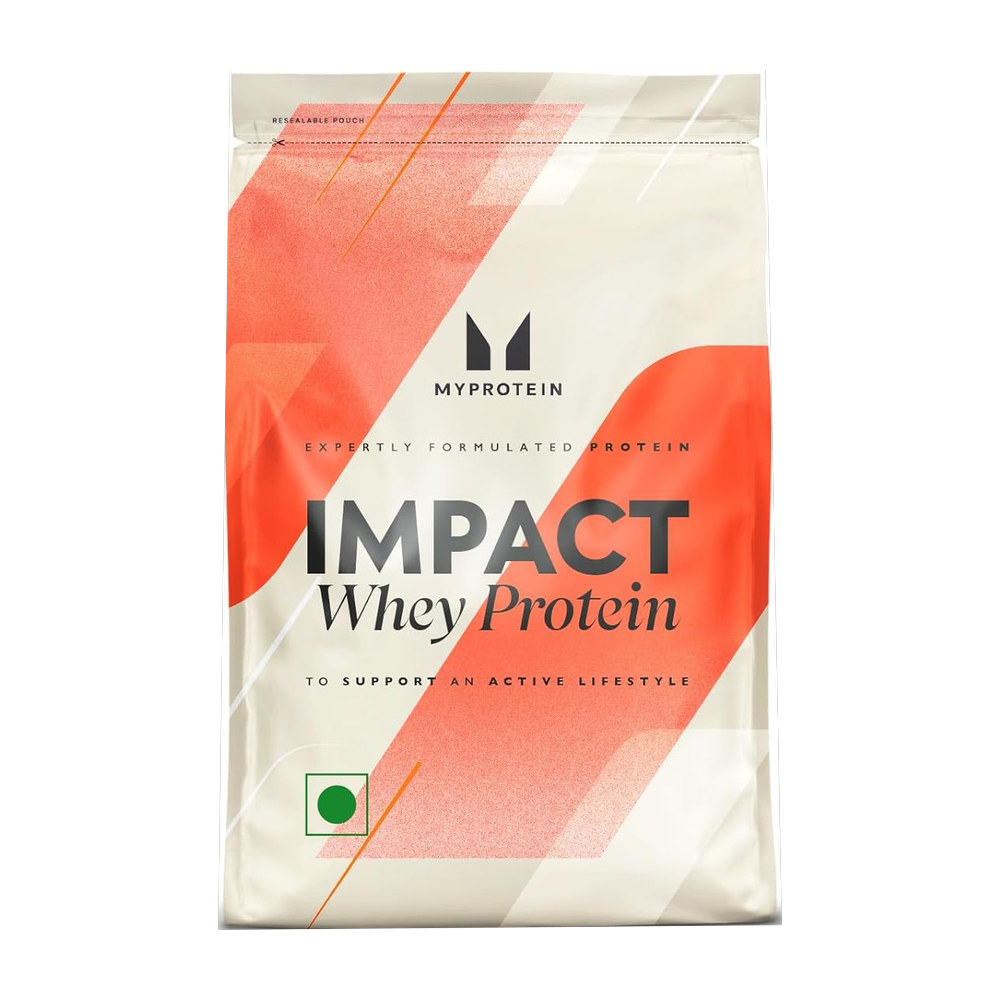
If R1 Protein's price point is a stretch, Impact Whey Isolate (#2 on this list) delivers comparable purity at a meaningfully lower cost per serving, trading a small amount of absorption speed for value. If you specifically need the fastest possible absorption for peri-workout timing regardless of cost, ISO100's full hydrolysis (#4) edges R1 out on raw DIAAS score.
Frequently Asked Questions
Yes — it's NSF Certified for Sport, meaning every production batch (not a sample audit) is independently screened for 270+ WADA-banned substances before it reaches shelves.
No. Our HPLC screen found zero glycine, taurine, or creatine inflation across all three production batches we tested — the nitrogen-to-amino-acid ratio was clean.
Neither exclusively — it's a dual-matrix blend of cross-flow microfiltered whey isolate and whey hydrolysate, which is why it absorbs faster than a standard isolate alone.
R1 Protein is Rule One's isolate/hydrolysate line specifically — the brand also sells a separate 'R1 Whey Blend' with concentrate included at a lower price point. If you see a cheaper Rule One product, check the label; it's likely the blend, not this one.
Typically 12 months from the manufacture date printed on the tub, assuming it's kept sealed, dry, and out of direct sunlight. Whey isolate is shelf-stable due to its low moisture and fat content, which is part of why it resists rancidity better than concentrate-heavy formulas.
Yes — being largely isolate and hydrolysate, it's low in lactose and fat, which are the two components that most commonly cause GI discomfort when protein is consumed without food. Most users tolerate it well fasted.
Yes — it's straightforward to use (just protein powder and liquid, no complex timing protocols) and widely available, making it a reasonable choice for someone new to supplementing with protein.
Yes — whey protein has no gender-specific contraindication, and R1 Protein is formulated the same way regardless of who's using it. Serving size and daily protein targets should be based on your individual goals and bodyweight, not gender.
At roughly $0.060 per gram of verified protein, this sits at a real premium compared to the cheapest options on our list — whether it's 'worth it' depends on whether the specific advantages covered in our Lab Testing and Digestion sections above matter for your situation, or whether you'd be equally well served by a cheaper option.
Final Verdict
R1 Protein earned the top spot in our independent test of 47 protein powders with a 9.8/10 lab score — the only product in this category with zero compromises across purity, absorption, and third-party verification. You compete, you get tested, or you simply want to stop wondering whether the label is telling the truth. This is the protein you buy when 'probably fine' isn't good enough.